 24/7 SUPPORT
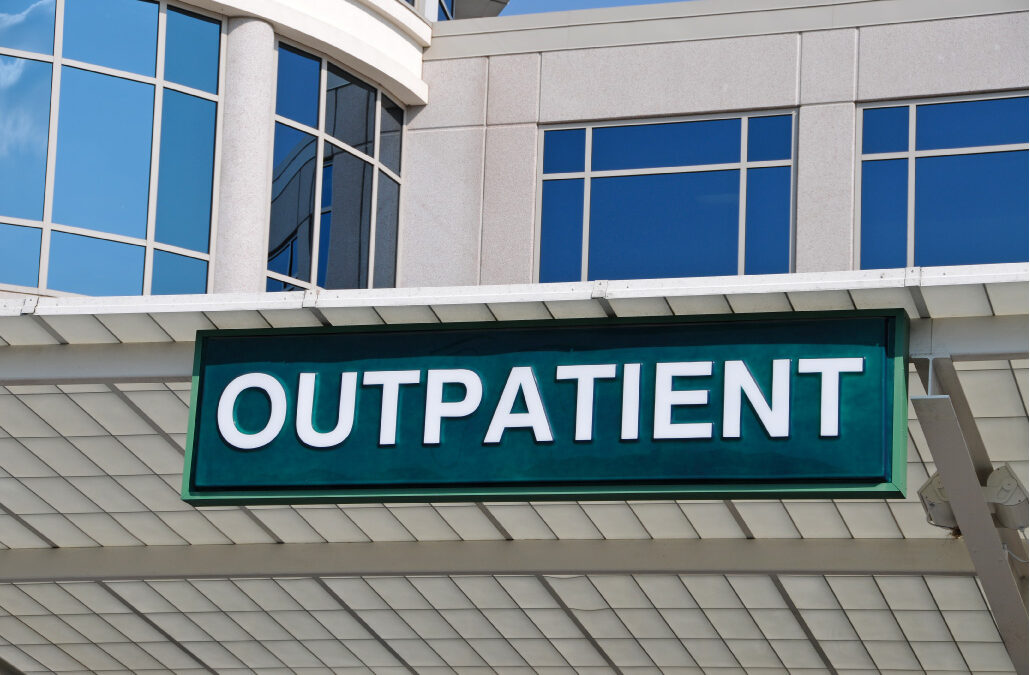
Hospitals look different these days. Instead of expanding existing campuses, large health systems are moving to hub-and-spoke networks, with smaller facilities delivering specialized care closer to patients. That shift requires security infrastructure that can protect patients, visitors, and staff across a more distributed care environment.
The New Face of Healthcare
This shift began decades ago, as healthcare systems looked for ways to deliver care closer to where patients live while lowering overhead. At the same time, many procedures that once required overnight stays became safe to perform in outpatient settings. Data Link has long customized security solutions for regional hospitals, and that remains a core part of our work. Today, however, “spoke” medical centers across the U.S. need to reimagine and integrate security systems as they grow from a single building into networks of up to 20 locations.
Security infrastructure built for large hospital campuses does not translate neatly to smaller, community-based facilities. Treating each site as a standalone project creates fragmented systems, compliance gaps, and security blind spots that can put patients, staff, and assets at risk.
5 Ways Outpatient Security is Different than Hospital Security
- Less Staff Requires Smarter Systems
A 400-bed regional medical center typically has a dedicated security department with a Director of Protective Services, shift supervisors, trained security officers, dispatch, and a command center. A 25,000 square foot orthopedic outpatient center might have a front desk coordinator and a part-time facilities manager.
Integrated intelligent security systems can help close that staffing gap. In these smaller healthcare facilities, the security system often functions as the security team. Access control should automate credential verification. Video surveillance should include analytics that detect patient falls, doors held open in restricted corridors, or unauthorized individuals in medication storage areas. Mass notification systems should be able to trigger a lockdown or broadcast emergency instructions without requiring a trained dispatcher to initiate every step.
- No Security Home Base
Large hospitals have the physical infrastructure to support centralized security operations, including command centers, server rooms, dedicated network closets, and on-site IT support. Freestanding specialty clinics and urgent care centers typically lack the space and staff for on-premises systems. Their security systems must be designed for remote operation and monitoring, making network reliability, cloud-based management platforms, and standardized technology across locations especially important.
Hospitals that we work with traditionally still rely on on-premises physical security infrastructure, but the industry is shifting toward cloud and hybrid models. Specialty care and outpatient sites often favor hybrid systems because they are more cost-effective, easier to scale, and better suited to multiple locations. In many cases, satellite facilities use cloud-based platforms that feed into a central dashboard at the flagship hospital.
Without intentional enterprise architecture planning, IT leaders and security directors can end up managing a fragmented mix of systems: different access control platforms by site, video management tools that cannot share data, and alarm monitoring built in disconnected layers over time.
For these facilities, healthcare security integration should be planned from the top down at the start of the site design process, not added one building at a time.
- Unconventional Security Design
Traditional hospital security design prioritizes control: defined entry and exit points, visible guards, and institutional signage. Outpatient and specialty care facilities are intentionally designed to feel different. These buildings compete for patients much like retail spaces compete for customers. Water features, open atriums, welcoming lobbies, and warm architectural finishes all contribute to a more inviting patient experience.
In these environments, video surveillance and other security hardware must be discreet. Access control readers should integrate with custom interiors at nursing stations and lobbies. Cameras should blend into the background, and door hardware should provide clinic-grade security without looking clinical.
In outpatient settings, integrated physical security is as much a design and architecture challenge as a technology challenge. That means security planning must happen during the design phase, not at the end of construction.
- Faster Incident Response
In a large hospital, a security incident triggers an immediate response from an on-site team. In a freestanding emergency department or behavioral health clinic, that backup may not exist. Response protocols must be built into the technology stack, including automated lockdown sequences, integrated duress alerts, real-time two-way communication between remote staff and a monitoring center, and emergency mass notifications that reach everyone in the building within seconds.
This need is especially acute in behavioral health settings, where workplace violence prevention has become one of healthcare’s biggest security challenges. Video analytics, body-worn cameras for clinical security staff, and AI-driven threat detection are moving from pilot programs into standard practice.
- Regulatory and Compliance Requirements Remain the Same
CMS Conditions of Participation, Joint Commission standards, and HIPAA physical safeguard requirements apply whether a facility has 500 beds or 12 treatment rooms. But when systems are not integrated, compliance documentation, audit trails, and incident reporting take longer. If access control, video surveillance, and alarm monitoring operate on separate platforms with separate data logs, proving compliance requires manual reconciliation across systems, creating significant operational cost.
For multi-site outpatient networks, unified security management platforms that centralize access logs, video incident records, and alarm events into a single dashboard are not a luxury. They are a compliance necessity.
Standardization for Multiple Locations
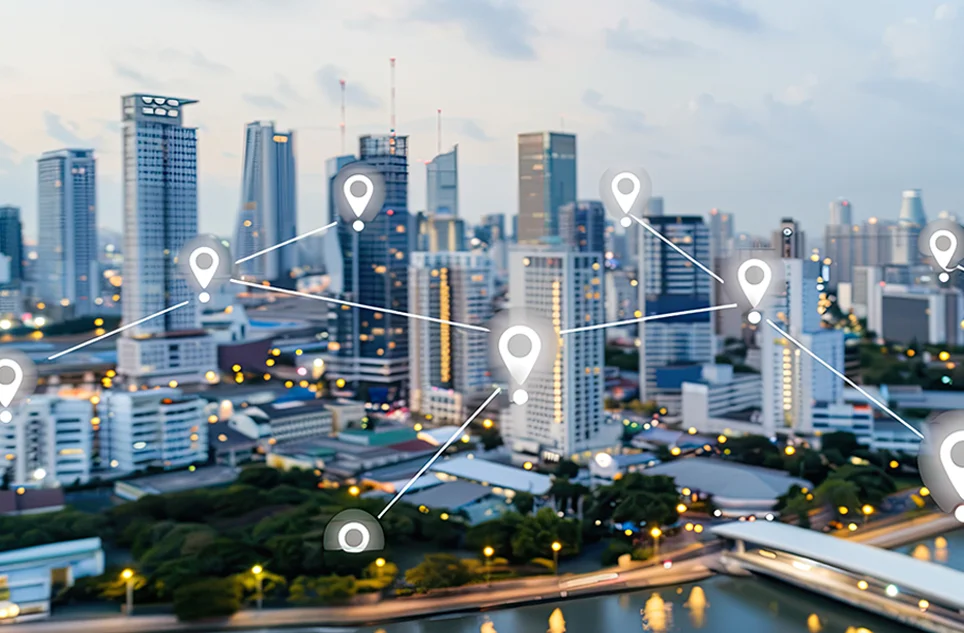
Healthcare systems that expand through acquisition face an accelerated version of this problem. A health system operating 12 specialty clinics across three states may have four access control platforms, two video management systems, and multiple alarm monitoring contracts. This siloed approach leads to separate contract negotiations, service-level agreements, and vendor management processes.
The operational and financial cost of that fragmentation is significant, but the risk is even greater. When a security event occurs at a medical building, the ability to quickly correlate video, access logs, and alert history can determine whether the response is effective or becomes only an after-the-fact investigation.
For any health system managing more than two or three outpatient locations, standardizing enterprise-grade platforms is foundational. That means using a single access control system, a unified video management system with centralized analytics, and an integrated mass notification solution. Standardization also simplifies vendor management, training, and technology refresh cycles.
Key Questions for Healthcare Security Decision-Makers
If you’re responsible for physical security across an outpatient or specialty care network, these are the most important questions to ask:
- Can your security systems be managed and monitored centrally across all locations from a single platform or are your teams logging into separate systems for each site?
- Do all of your medical buildings have the same level of access control and video coverage as your main hospital campus, or have smaller buildings been treated as lower priority?
- Are your video analytics detecting patient falls, flagging after-hours activity, identifying tailgating at restricted entry points or are they reactive, passive recording devices?
- How long does it take to start a facility-wide emergency alert at one of your outpatient locations, and does that process depend on a trained individual being physically present?
- Do your new construction projects include security in the design phase, or is security infrastructure specified after architectural systems have already been designed?
- Is your alarm monitoring integrated with your access control and video systems, or do your monitoring center staff see events without the context to respond to them intelligently?
Planning for Healthy Hospital Expansion
The face of healthcare security is changing because healthcare itself has changed. The old model of a single large hospital building no longer reflects where patients, staff, and revenue are located. Health systems that get this right are not simply buying more cameras or door readers. They are treating security as enterprise infrastructure: one platform, one set of standards, and one source of truth across every site.
Done well, this shift pays off in three concrete ways. It saves money by replacing redundant vendor contracts and one-off installations with standardized systems that are easier to license, maintain, and scale. It saves time by giving security and facilities teams a single dashboard instead of a dozen logins, turning multi-hour investigations into five-minute lookups and new-facility security buildouts into repeatable processes. Most importantly, it helps save lives by closing the response gap at facilities without a security team down the hall, detecting patient falls, medical emergencies, or escalating behavioral health crises as they happen rather than after the fact.
For facility managers, IT executives, and directors of security building the next generation of outpatient and specialty care facilities, that is the real measure of success: not whether cameras are recording, but whether the system as a whole is fast enough, smart enough, and connected enough to protect people in buildings that no longer have the staffing or space of a traditional hospital.
Data Link specializes in enterprise physical security integration for healthcare systems, including access control, video surveillance, mass notification, and door hardware for healthcare, education, manufacturing, and commercial facilities. If you are evaluating security infrastructure for new construction or working to standardize existing facilities, let’s schedule a security assessment.