 24/7 SUPPORT
Enterprise Security Solutions for
Manufacturing
Data Link can help secure your manufacturing facility.
Security Systems that are the Eyes, Ears and Heart of Your Plant
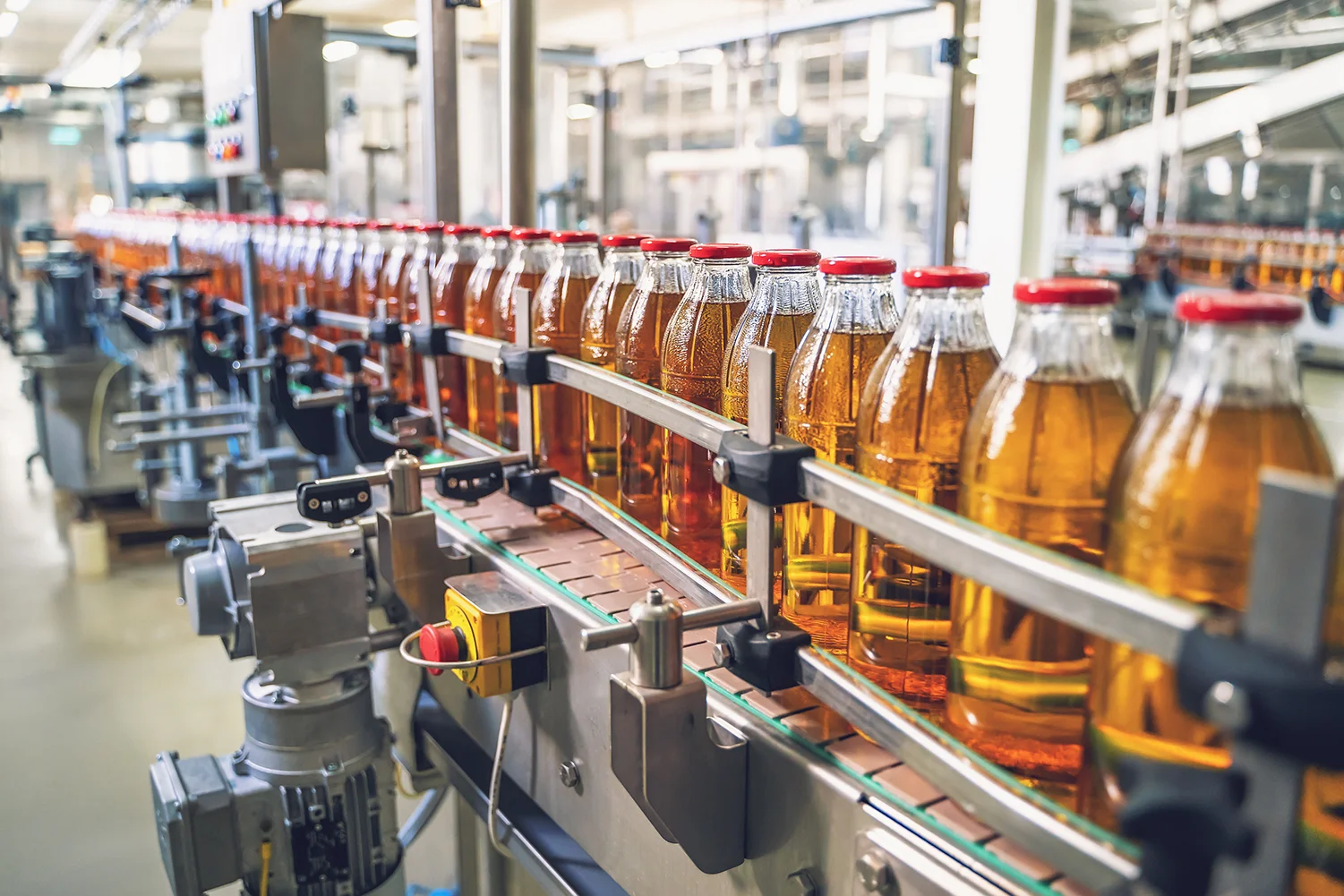
Data Link designs intelligent security and operational intelligence platforms for food processing plants, chemical facilities, automotive manufacturers, and metal fabricators to protect people, product, and production.
- Axis Gold Partner of the Year
- Genetec Elite Partner
- Legacy System Migration Experts
- Help Desk with Flexible Support Options
- 5 Regional Offices
Production environments demand more than perimeter security
Food processing lines, chemical storage areas, and automotive assembly floors present layered risks, including contamination, equipment failure, chemical mishandling, unauthorized access, and product defects, often simultaneously.
Decision-makers in quality control, plant security, and operations need systems that detect threats before they become incidents, minimize production disruption, and surface actionable intelligence to the right teams in real time.
“Cameras are not just security — they are operational intelligence aggregated and presented where your teams need it most.”
Our team takes a consultative approach, working with quality control executives, security and IT directors, and operations teams to understand the full production environment before a single camera is selected.
The result is a system that doesn’t just record. It detects anomalies, triggers alerts, monitors temperature, tracks personnel, and feeds business intelligence dashboards across shifts and locations.
We also specialize in migrating existing legacy systems, phased upgrades that protect your current investment while expanding capability without halting production.
The Data Link Difference
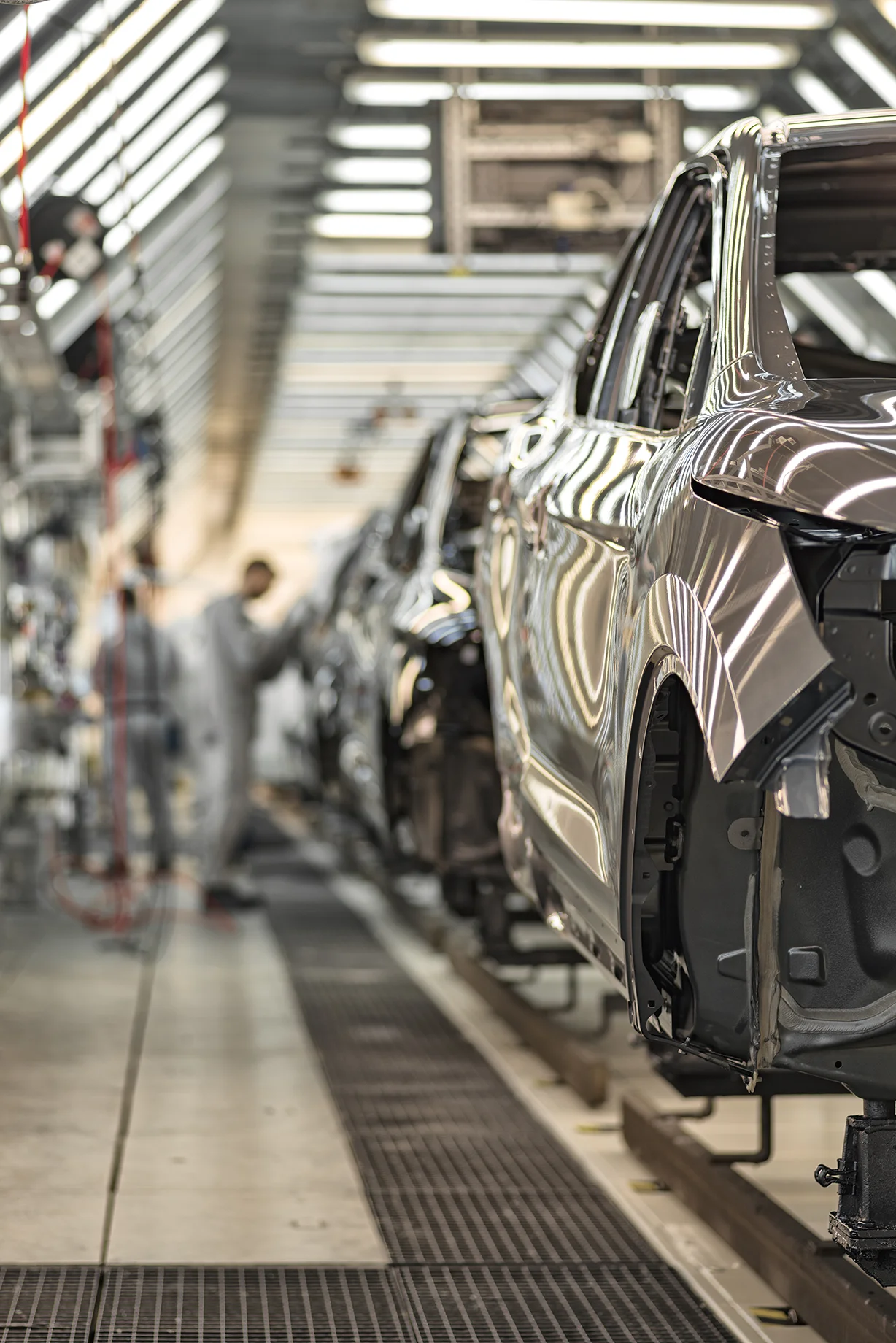
Purpose-built security for industrial environments
Data Link customizes every security solution. These are the core capabilities we integrate for manufacturing and processing facilities.
Bispectral Camera Systems
Combines visible-light and thermal infrared imaging in a single unit. Monitor temperature control zones, detect heat anomalies from equipment failure, and identify hazards, all on your standard surveillance network.
Mutilated & Defective Parts Detection
AI-assisted video analytics flag damaged, deformed, or anomalous parts moving through your production line. Security cameras become quality control assets, catching defects before packaging or shipment, reducing waste and liability.
Chemical Segregation Alerts
Zone-based monitoring triggers automatic alerts when incompatible materials or unauthorized personnel enter a controlled area. Integrates with access control to create hard barriers between chemical storage zones, preventing accidental or intentional cross-contamination.
Operational Intelligence Dashboards
Security data and production data on the same platform. Aggregate camera feeds, access logs, sensor alerts, and line performance into dashboards that quality control and operations teams can act on, shift-by-shift and plant-wide.
Access Control & Restricted Zones
Card-based and biometric access control prevents unauthorized entry into controlled environments, refrigerated storage, chemical rooms, server areas, or executive spaces. Door hardware integrates seamlessly with camera and alert systems.
Legacy System Migration
Don’t rip out what’s working. Data Link designs phased migrations that integrate new IP-based cameras and analytics with existing infrastructure, protecting your investment and maintaining full security coverage throughout the transition with minimal disruption to production schedules.
Trusted Across the Most Demanding Production Environments
- Food and Beverage Processing
- Chemical and Packaging Plants
- Automotive Manufacturing
- Metal Fabrication and Machining
- Multi-Site Industrial Operations
- Home Appliance Manufacturing
- Chemical Storage and Distribution
- Aluminum and Primary Metals
Make Your Security an Operational Advantage
Speak with a Data Link manufacturing security specialist. We’ll learn your facility and build you the perfect solution.
Make Your Security an Operational Advantage
Speak with a Data Link manufacturing security specialist. We’ll learn your facility and build you the perfect solution.
Frequently Asked Questions
What security systems are best for protecting a manufacturing facility from both internal and external threats?
Manufacturing facilities face serious risks from inside their own operations, including employee theft of intellectual property, inventory manipulation, and tailgating that allows unauthorized individuals into restricted areas like production floors, control rooms, and storage areas.
The best approach is a layered one. A manufacturing or food processing plant should have an integrated security system that combines intrusion detection, perimeter security, access control, and video surveillance, all connected through a unified platform in a control room. Access control serves as the first line of defense by tracking who enters which areas and when, while video surveillance covers the full facility and can even be placed inside machinery to identify operational issues. The key is that no single product or technology is sufficient, a holistic, integrated strategy is what separates a secure facility from a vulnerable one.
How do I integrate access control, video surveillance, and alarm systems into one unified security platform for my manufacturing plant?
By connecting video surveillance, access control, and intrusion detection into a unified platform, security teams gain a centralized view of their entire facility, improving situational awareness, streamlining management, and enabling data-driven insights that optimize security protocols, while also eliminating redundant systems and reducing costs.
Successful integration means that when an access event occurs, like someone badging into a restricted area after hours, your system can immediately surface the corresponding video without manual searching. In 2026, unified security platforms paired with AI-driven intelligence enable proactive monitoring and predictive analytics, moving facilities away from reactive alarm response and toward genuine prevention. When evaluating a security partner, ask specifically how their systems communicate with each other in real time, and whether the platform can scale as your facility grows or your needs change.
What is the average cost of a security system for a manufacturing facility?
Data Link works with a variety of budgets, often working with existing systems to minimize cost and disruption. But it’s also important to keep in mind the cost of doing nothing. A properly designed security system isn’t just a security investment. An updated security system pays for itself through loss prevention, faster investigations, reduced liability, and lower insurance exposure. It’s important for the team to align on what an undetected incident, production delay, or liability claim actually costs the company.
When our team first meets with clients, we determine which disruptions the facility can’t afford. Then we build a system that focuses protection on where high-value inventory sits, where access is easiest, and where response is slowest. Costs vary based on facility size, number of access points, camera coverage, and whether you’re starting fresh or upgrading an existing system. Data Link provides a complimentary site assessment before quoting.
What security compliance regulations do manufacturing facilities need to meet, and how do I ensure my security system keeps us compliant?
Failing an audit or inspection can be just as costly as a security incident itself. Physical security incidents are one of the biggest drivers in lost revenue globally, and the majority of businesses report that physical security threats are on the rise.
A well-integrated physical security system supports compliance in concrete ways. The best systems provide the ability to generate audit trails and incident records, along with video-backed proof for safety, access, and process violations, which are critical for satisfying safety, labor, and quality regulations. Whether your facility operates under OSHA standards, ISO requirements, industry-specific regulations, or customer contract requirements, your security system should be able to produce documentation on demand. When evaluating providers, ask specifically how their system logs access events, retains video footage, and generates compliance reports, because the system that can’t prove what happened is a liability, not an asset.
How do I control and monitor contractor and visitor access in a busy manufacturing facility without slowing down operations?”
Contractors, vendors, and visitors move through facilities 24/7 and without the right controls, they represent a significant blind spot. Tailgating is a common but underestimated threat in busy plants, allowing unauthorized individuals to enter restricted areas like production floors, storage areas, or control rooms without detection.
Modern access control is evolving toward identity-based approaches that provide flexibility while maintaining strong security controls, including mobile credentials and role-based access models that adjust permissions dynamically, integrating closely with organizational identity platforms. This means a contractor can be granted time-limited access to only the specific area they need, automatically expiring when their work is done, with a full audit trail available if anything goes wrong. The result is tighter security without creating bottlenecks that frustrate your operations team.
Learn More.
Find out how Data Link can help secure your business.